Mom s Kitchen: A Designer’s Review for Brand Merch
As an embroidery designer who has spent years digitizing files and consulting with small business owners, I approach every new machine embroidery design with a critical eye. It is not enough for a pattern to look pretty on a screen; it must perform under the needle, withstand wear and tear, and elevate the brand it represents. Recently, I evaluated Mom s Kitchen, a kitchen-themed quote design intended for shirts, aprons, hats, canvas, and towels. For boutique owners, café operators, and handmade sellers, this review breaks down how this specific asset functions in real-world commercial applications.
First Impressions: Visual Personality and Tone
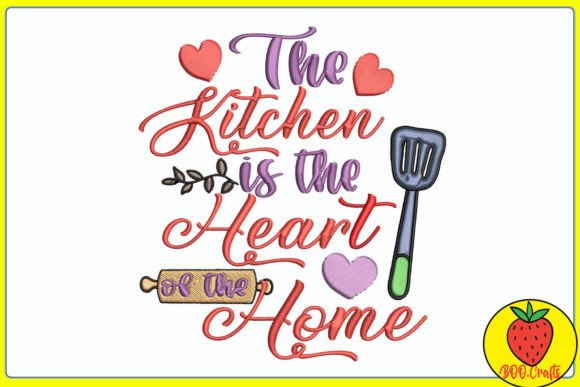
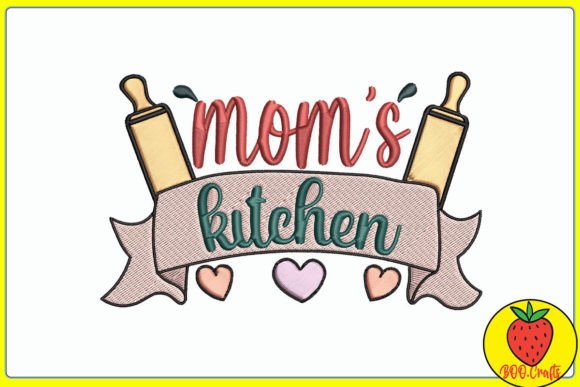
The title Mom s Kitchen immediately suggests warmth, nostalgia, and domestic comfort. In the context of branding, these are powerful emotional triggers. When reviewing the visual potential of this design, the primary impression is one of approachability. It does not scream corporate rigidity; instead, it invites connection. For a small business, particularly those in the food, hospitality, or handmade goods sectors, this tone is invaluable. The design feels friendly and rustic, aligning perfectly with brands that want to project a "homegrown" or "artisanal" vibe. However, from a technical standpoint, the success of this aesthetic depends entirely on execution. A design that aims for a handmade feel must not look messy when stitched. The balance between decorative flair and legibility is where many digital embroidery files fail, making pre-production testing essential.
Strategic Applications for Small Business Merchandise
The versatility of Mom s Kitchen makes it a strong candidate for various small business merch items. Here is how I envision this design performing across different product lines:
- Staff Uniforms and Aprons: For bakeries, cafés, or catering services, apron embroidery is a staple. Placing this design on the bib of a high-quality canvas apron creates an instant sense of team identity. It transforms a generic uniform into a branded asset that customers recognize and trust.
- Embroidered Patches: One of the most trending applications in current commercial embroidery is the use of patches. This design could be stitched out as a standalone patch and then applied to denim jackets, tote bags, or even packaging. Patches offer flexibility, allowing businesses to update their look without re-stocking entire garments.
- Cap Embroidery: Hats are high-visibility items. If the design scales well, placing it on the front panel of a baseball cap or beanie can serve as a subtle yet effective brand marker. However, curved surfaces require careful digitizing to prevent distortion.
- Tote Bag Design: Canvas totes are popular eco-friendly alternatives to plastic bags. Embroidering Mom s Kitchen on a sturdy tote adds perceived value, turning a simple carry-all into a desirable handmade product that customers are proud to use in public.
Technical Considerations and Production Challenges
While the concept is strong, the technical execution of any embroidery file determines its viability. As a designer, I advise caution in several key areas before running a full production batch.
Stitch Density and Fabric Texture: Kitchen environments involve heat, moisture, and frequent washing. If the stitch density is too high, the fabric may pucker or become stiff, reducing comfort for staff wearing aprons or shirts. Conversely, if the density is too low on textured fabrics like terry cloth towels, the backing might show through. Always test the design on the exact fabric weight you intend to use.
Small Scale Legibility: If you plan to use this as a chest logo accent or on a small patch, verify that the lettering remains readable. Tiny details often get lost in translation from screen to thread. What looks crisp on a monitor can become a blob of thread on a garment if the spacing is too tight.
Thread Colors and Contrast: The choice of thread colors will make or break this design. For a rustic look, earth tones work well, but ensure there is sufficient contrast against the fabric. Dark uniforms require lighter threads for visibility, while white aprons might need bold, dark hues to pop. Avoid using too many color changes if speed and cost-efficiency are priorities for your business.
Enhancing Brand Identity and Customer Trust
Consistency is the cornerstone of strong brand identity. Using a cohesive design like Mom s Kitchen across multiple touchpoints—from employee uniforms to customer gifts—reinforces recognition. When a customer sees the same embroidered motif on a barista’s apron and the tote bag they purchased, it builds a narrative of professionalism and attention to detail. This visual consistency signals that the business cares about quality, which directly influences buyer engagement and trust. In the crowded marketplace of Etsy sellers and local boutiques, a polished, professional embroidered look distinguishes serious brands from amateur hobbyists.
Practical Designer Notes for Implementation
Before committing to large-scale production, follow these steps to ensure the best possible finished product:
- Test in Black and White: Stitch a sample using only black thread on white fabric. This reveals the structural integrity of the design without the distraction of color. If it looks good in monochrome, it will look great in color.
- Check Hoop Size Compatibility: Confirm that the design fits within your standard hoop size. If it requires a large hoop, consider whether your equipment can handle it efficiently or if resizing is necessary.
- Use Proper Stabilizer: The right stabilizer is crucial for preventing shifting and puckering. For stretchy fabrics like t-shirts, use a cut-away stabilizer. For woven fabrics like aprons, a tear-away may suffice, but always test first.
- Create a Printable Mockup: Before stitching, create a printable mockup or digital visualization to show clients or stakeholders. This helps manage expectations and allows for adjustments before wasting materials.
- Verify Commercial Licensing: Ensure that the digital embroidery file you purchase includes a commercial license. Using a personal-use file for business merchandise can lead to legal issues. Always read the terms provided by the designer.
- Inspect Spacing and Detail: Zoom in on the digitized file. Look for overly dense areas or thin connections that might break during washing. A well-digitized file will have smooth transitions and appropriate underlay stitches.
Final Verdict for Business Use
Mom s Kitchen holds significant potential for businesses aiming to project warmth and authenticity. It is not just a decorative element; it is a tool for storytelling. Whether used on a chef’s apron, a retail tote, or a branded patch, it adds a layer of tactile quality that printed graphics cannot match. However, its success relies on thoughtful application. By respecting the technical limitations of embroidery and aligning the design with your broader design assets, you can create merchandise that not only looks beautiful but also drives brand loyalty. For those ready to invest in high-quality custom apparel and accessories, this design is worth considering, provided you conduct thorough testing on your specific materials.