Review: The Kitchen is the Heart Embroidery Design
As an embroidery designer who has spent years digitizing files and consulting with small business owners, I approach every new machine embroidery design with a critical eye. It is not just about whether a pattern looks pretty on a screen; it is about how it performs in the real world of commercial production. Today, I am reviewing The Kitchen is the Heart of the Home, a design that targets the bustling market of culinary entrepreneurs, boutique bakeries, and home goods brands. This review focuses on its viability for branded merchandise, staff uniforms, and retail products.
First Impressions and Visual Personality
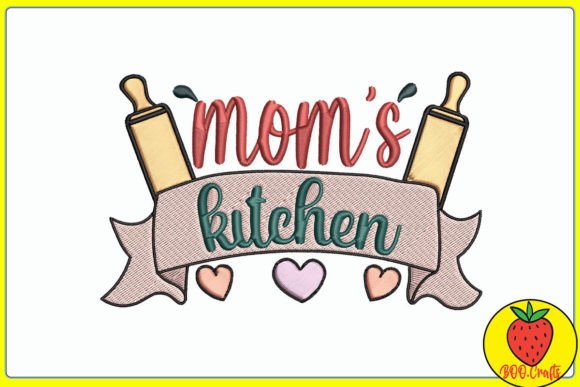
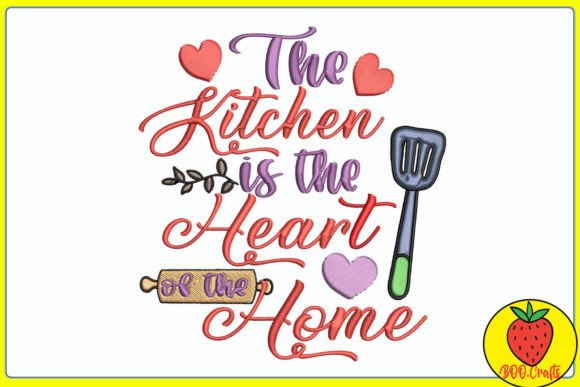
When I first loaded The Kitchen is the Heart of the Home into my digitizing software, the immediate impression was one of warmth and approachability. The phrase itself is a classic sentiment in the culinary world, evoking feelings of comfort, family, and hospitality. Visually, this design leans towards a friendly and rustic aesthetic, which is perfect for businesses that want to project a handmade, artisanal vibe. It does not scream corporate rigidity; instead, it invites connection. For a bakery owner or a local café manager, this visual personality aligns perfectly with the customer experience they aim to create. The design feels decorative yet grounded, making it suitable for both modern farmhouse styles and traditional kitchenware branding.
Real-World Business Applications
The true test of any digital embroidery file is its versatility across different substrates and products. Here is how I see this design performing in a small business context:
- Staff Uniforms and Aprons: This is perhaps the strongest use case. An embroidered apron serves as a walking billboard for your brand. Placing this design on the bib of a high-quality canvas apron adds immediate value. It transforms a standard uniform into a piece of custom apparel that staff members are proud to wear. The text reinforces the business’s dedication to hospitality.
- Embroidered Patches: Creating iron-on or sew-on patches is a trending strategy for merch creators. This design works well as a standalone patch that customers can buy to decorate their own tote bags or jackets. It allows you to sell a low-cost, high-margin add-on item at your checkout counter or Etsy shop.
- Tote Bags and Canvas Goods: Retailers selling reusable bags or kitchen towels can use this as a central graphic. The sturdy nature of canvas handles embroidery well, provided the stitch density is managed correctly to prevent puckering. A tote bag with this message becomes a functional piece of small business merch that customers use daily, keeping your brand visible in their homes.
- Cap Embroidery: For a more subtle branding approach, this design can be adapted for the side or back of a baseball cap. While the full phrase might be too long for a small front panel, it could work beautifully on a trucker hat mesh back or as a curved text element on the side panels.
Technical Considerations for Production
While the sentiment is strong, the technical execution requires careful attention. As a designer, I must warn against blindly stitching this onto any fabric without testing. Here are the critical factors to consider before running a production batch:
Stitch Density and Fabric Texture: If the design features heavy saturation or dense lettering, it may cause lightweight fabrics like thin cotton tea towels to pucker. Always use an appropriate stabilizer. For knits or stretchy materials used in some apron ties or hats, a cut-away stabilizer is essential to maintain the shape of the finished product. On textured fabrics like terry cloth towels, ensure the design has enough underlay stitches to sit on top of the loops rather than sinking into them.
Size and Legibility: The phrase "The Kitchen is the Heart of the Home" contains several words. If you attempt to shrink this design for a small chest logo or a tiny patch, the lettering may become illegible. I recommend testing the design at your intended size on a scrap piece of fabric. If the letters begin to merge or lose definition, you may need to simplify the design or increase the hoop size. Always check if the design works at small patch size before committing to a large order.
Thread Colors and Contrast: Since this is likely a text-heavy or illustrative design, contrast is key. Test it in black and white first to ensure the shapes are distinct. When moving to color, choose thread colors that stand out against your garment. For example, cream thread on a navy apron looks premium, while bright red on white canvas feels playful and energetic. Avoid low-contrast combinations that make the text hard to read from a distance.
Impact on Brand Identity and Customer Trust
Using a cohesive design like The Kitchen is the Heart of the Home strengthens your brand identity. Consistency in your visual assets—from your website to your packaging to your staff uniforms—builds trust. When a customer sees the same high-quality embroidery on your tote bags and your aprons, it signals professionalism. It tells the buyer that you care about details. This attention to detail increases the perceived value of your handmade product line. Furthermore, emotional connections drive sales. A design that speaks to the heart of the home resonates with buyers who value tradition and comfort, leading to higher engagement and repeat purchases.
Practical Designer Notes for Buyers
Before you purchase this embroidery file for commercial use, take these steps to ensure success:
- Verify Commercial Licensing: Confirm that the license allows for the sale of physical goods. Most designers allow this, but always read the terms to protect your business.
- Check File Formats: Ensure the download includes the format compatible with your machine (such as PES, DST, or JEF). The product description mentions shirts, aprons, hats, canvas, and towels, implying versatility, but you must have the right file type.
- Create a Printable Mockup: Before stitching, create a digital mockup to show clients or visualize the placement. This helps in marketing the item before you produce inventory.
- Test on Real Fabric: Never skip the test stitch. Run the design on the exact fabric and stabilizer combination you plan to use for production. Check for thread breaks, tension issues, and registration accuracy.
- Compare Design Assets: Place this design beside your existing logo and other graphics. Does it complement your current style? Visual consistency is crucial for a professional look.
Final Verdict
The Kitchen is the Heart of the Home is a strong contender for businesses in the culinary and home goods sectors. It offers a blend of emotional appeal and decorative charm that translates well into tangible products. Whether used for apron embroidery, branded patches, or retail tote bags, it has the potential to elevate your merchandise. However, success depends on proper technical execution. Respect the limits of your hoop size, manage your stitch density, and prioritize legibility. By treating this design as a strategic business asset rather than just a decoration, you can create products that not only look beautiful but also drive brand loyalty and sales. For the serious merch creator, this design is worth adding to your library, provided you perform the necessary due diligence on sizing and fabric compatibility.