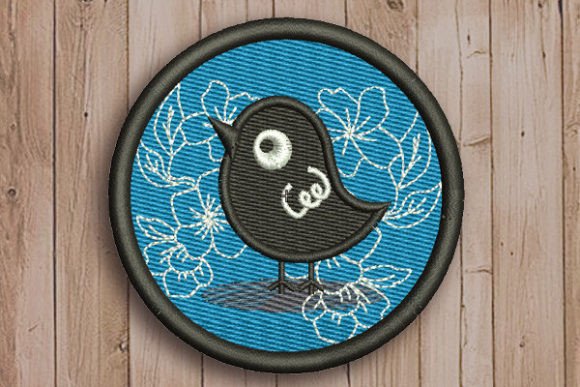
Reviewing Little Bird: A Designer’s Take on This Embroidery Design
As an embroidery designer who spends countless hours digitizing patterns and testing files for commercial use, I have learned that not all machine embroidery design files are created equal. Some look stunning in a thumbnail but fall apart under the needle. Others are so dense they pucker the fabric beyond repair. Recently, I came across Little Bird on Creative Fabrica, and I wanted to take a closer look at whether this design holds up for real-world projects. If you are an Etsy seller, a small business owner, or a hobbyist looking to elevate your handmade goods, understanding the nuances of a file before you download it is crucial.
First Impressions: Visual Mood and Stitching Personality
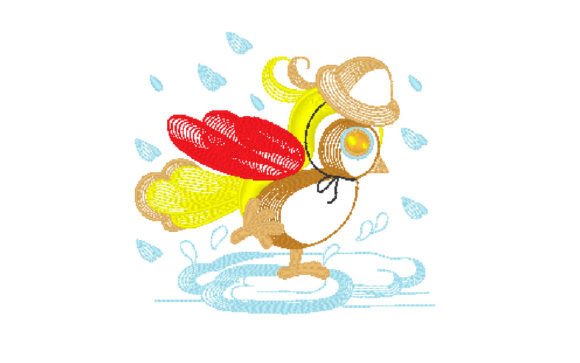
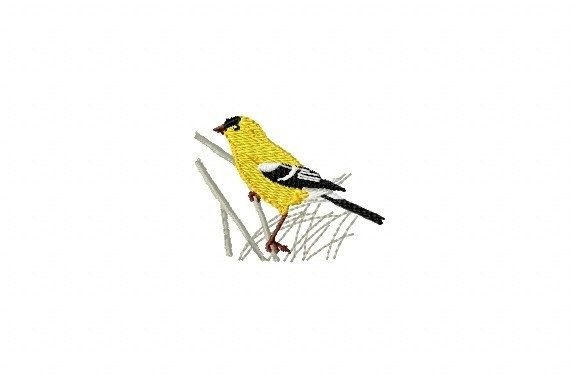
The first thing that caught my eye with Little Bird was its charming simplicity. In the world of Birds themed Embroidery, designs often lean heavily into hyper-realism or overly complex shading. However, this design strikes a balance between whimsical and elegant. It feels approachable, which is exactly what modern customers are looking for in a personalized gift or a piece of custom apparel.
The visual mood is light and airy. It does not scream for attention with aggressive colors or massive scale; instead, it invites a second look. For a designer, this is a valuable trait. It means the design can serve as a subtle accent on a high-end tote bag or stand alone as the focal point of a nursery decor item. The stitching personality appears clean, suggesting that the digitizer prioritized smooth lines over unnecessary complexity. This is essential for maintaining a professional look in your finished product.
Real-World Application: Where Little Bird Shines
When evaluating a new digital embroidery file, I always ask myself: "Where would I actually sell this?" With Little Bird, the versatility is impressive. Here is how I envision using this design in a commercial setting:
- Tote Bag Design: Placed centrally on a canvas tote, this bird motif adds a touch of nature-inspired elegance. It appeals to the eco-conscious shopper who wants something more unique than a plain bag.
- Sweatshirt Embroidery: On the left chest area of a crewneck sweatshirt, the design acts as a sophisticated logo-style element. It is small enough to be understated but detailed enough to show quality craftsmanship.
- Nursery Decor: Birds are a staple in baby-themed rooms. Stitching this onto a muslin swaddle or a pillow cover creates a soft, comforting aesthetic that parents love.
- Embroidered Patch: Because the design is self-contained, it works beautifully as an iron-on or sew-on patch. You can stitch it on felt or twill, cut it out, and sell it as a standalone accessory.
- Kitchen Towels and Aprons: For the home goods market, adding this to the corner of a linen towel or the bib of an apron increases the perceived value of a basic textile item.
This adaptability makes it a strong candidate for your design assets library. Whether you are creating seasonal handmade gifts or year-round boutique merchandise, Little Bird fits seamlessly into various product lines.
Technical Considerations for Professional Results
While the design looks gorgeous in previews, the true test lies in the stitching. As an experienced embroiderer, I know that "fun and easy to stitch" is a claim that must be verified. Here are the practical aspects I consider before putting any new file on the hoop.
Fabric and Stabilizer Choices
The description notes that Little Bird looks elegant on any fabric, but we must be realistic. For stretchy fabrics like jersey or fleece, using a cut-away stabilizer is non-negotiable to prevent distortion. If you are stitching on woven cotton for a tote bag, a tear-away stabilizer might suffice, but always test first. The stitch density appears moderate, which is good news. Overly dense designs can cause puckering on lightweight fabrics like voile or thin linen. I recommend running a test stitch on scrap fabric identical to your final material to check for registration issues.
Hoop Size and Placement
One of the advantages of smaller motifs like this is the flexibility in hoop size. You likely do not need a large 8x10 hoop unless you are combining it with other elements. A 4x4 or 5x7 hoop should accommodate it comfortably, allowing you to maximize your machine’s efficiency. However, always confirm the specific dimensions in the product details. If you are working on curved surfaces, such as a cap, ensure the design is centered correctly to avoid wrapping around the seam.
Thread Colors and Contrast
The beauty of this design lies in its potential for color customization. While the preview may show specific shades, you have the creative freedom to adjust the thread colors to match your brand palette. For dark fabrics, consider using a lighter thread or adding a satin stitch border to make the bird pop. Conversely, on light fabrics, deeper tones will provide excellent contrast. Always review the color sequence in your embroidery software before stitching to ensure the layering makes sense.
Enhancing Product Value and Brand Consistency
Why does the choice of design matter for your business? It comes down to perceived value. A high-quality applique design or standard embroidery motif can transform a $5 blank item into a $25 artisan product. Little Bird contributes to this transformation by offering a polished, professional look. When customers see clean lines and well-executed stitches, their trust in your brand grows.
Furthermore, consistent use of cohesive design elements helps build brand recognition. If your shop specializes in nature-inspired goods, adding this bird to your lineup reinforces your niche. It also enhances your product photography. A well-stitched bird on a textured fabric creates visual interest in online listings, leading to higher customer engagement and potentially more sales on platforms like Etsy.
Practical Steps Before You Sell
Before you list any items made with Little Bird, there are a few due diligence steps every creative entrepreneur should take:
- Check the License: Always read the licensing terms on the Creative Fabrica product page. Ensure that commercial use is permitted for physical products if you plan to sell them.
- Verify File Formats: Confirm that the download includes the format compatible with your machine. Common formats include PES, DST, and JEF, but this varies by seller.
- Inspect Small Details: After your test stitch, examine the small areas of the bird, such as the beak or eye. Ensure there are no loose threads or jump stitches that need trimming.
- Create Printable Mockups: Use digital mockups to visualize how the design looks on different products before committing to inventory. This saves time and materials.
- Consider Washing Instructions: If selling apparel or items that will be washed frequently, ensure your stabilizer and thread choices are durable. Test wash a sample to check for fading or shrinking.
In conclusion, Little Bird appears to be a versatile and charming addition to any embroidery designer’s collection. Its balance of simplicity and elegance makes it suitable for a wide range of applications, from commercial embroidery projects to heartfelt handmade gifts. By paying attention to technical details like stabilizer choice and thread contrast, you can ensure that every stitch reflects the high quality your customers expect. As with any new tool, the key is experimentation. Download the file, run your tests, and let your creativity take flight.