Italian Chef: A Designer’s Review for Branded Merch
As an embroidery designer who has spent years digitizing and reviewing files for commercial use, I approach every new machine embroidery design with a critical eye. It is not just about whether the image looks cute on a screen; it is about how that design translates to fabric, how it holds up in the wash, and most importantly, how it serves a business owner’s brand. Today, I am reviewing Italian Chef, a charming digital asset intended for the Kitchen category. This review is tailored for small business owners, Etsy sellers, apparel decorators, and anyone looking to elevate their branded merchandise with high-quality Embroidery.
First Impressions: Visual Personality and Appeal
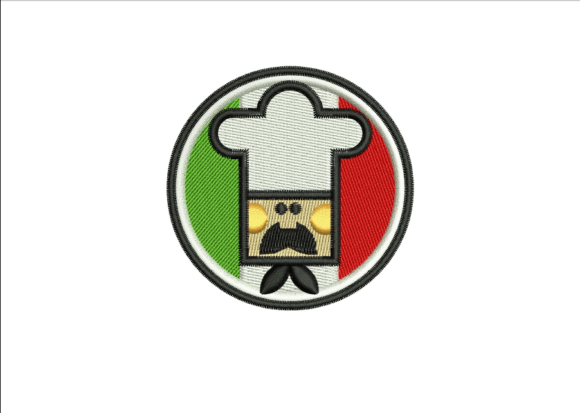
The moment you load the preview for Italian Chef, the tone is immediately clear. The description notes that this design will make kids and even elders smile, which suggests a universal, warm appeal. From a design perspective, this indicates a style that is friendly, playful, and approachable rather than starkly modern or overly corporate. For businesses in the food and hospitality sector, such as local bakeries, family-owned cafés, or boutique grocery stores, this visual personality is gold. It bridges the gap between professional service and home-style comfort.
The character of an Italian chef typically evokes associations with passion, tradition, and culinary expertise. When executed well in thread, this motif can serve as a powerful symbol for any brand rooted in food preparation or hospitality. The "cute" aspect mentioned in the product details implies simplified lines and expressive features, which are crucial for successful machine embroidery. Overly complex details often get lost in stitching, but a simplified, bold character retains its integrity across various sizes.
Real-World Applications for Small Business Merch
For a small business, versatility is key. You need assets that work across multiple product lines without losing their impact. Here is how Italian Chef performs in real-world commercial scenarios:
- Staff Uniforms and Aprons: An apron embroidery featuring this chef creates an instant sense of team identity. Placed on the chest pocket or the upper back, it adds a personalized touch that customers appreciate. It signals that the staff takes pride in their craft.
- Embroidered Patches: This design is ideally suited for an embroidered patch. Patches are trending in retail because they allow for easy application on denim jackets, canvas bags, and hats. A patch version of Italian Chef can be sold as a standalone accessory or used to brand employee uniforms without stitching directly into delicate fabrics.
- Cap Embroidery: Front-panel cap embroidery requires designs that are compact and bold. If the digitization respects the curvature of the cap, this chef logo can become a recognizable mark for food trucks or casual dining spots.
- Tote Bag Design: Canvas tote bags are staple items for markets and boutiques. A larger scale version of this design works beautifully as a central tote bag design, appealing to shoppers who value handmade aesthetics.
- Customer Gifts and Loyalty Rewards: Small embroidered items like oven mitts or pot holders featuring this character make excellent gifts for loyal customers, enhancing brand retention.
Technical Considerations for Production
While the aesthetic appeal is strong, the technical execution determines the quality of the finished product. As a designer, I must advise caution regarding specific production variables. Since the exact stitch count and file specifications are not detailed in the brief summary, you must verify these details before running a production batch.
Stitch Density and Fabric Texture: Playful characters often rely on smooth fills. If the stitch density is too high, the fabric may pucker, especially on lighter materials like cotton aprons. Conversely, if the density is too low, the backing fabric might show through. Always test the design on the actual fabric texture you intend to use. For textured fabrics like terry cloth towels or heavy denim, you may need to adjust underlay stitches or choose a different stabilizer.
Size Limitations: Detailed facial features or small accessories on the chef (like a spoon or hat detail) can become muddy if scaled down too far. If you plan to use this as a small chest logo on a polo shirt, ensure the hoop size allows for sufficient resolution. I recommend creating a printable mockup at the intended physical size to check legibility before stitching.
Thread Colors: The charm of this design likely relies on specific thread colors—perhaps the white of the chef’s coat, the red of a scarf, or the skin tones. Ensure you have a consistent color palette defined in your brand guidelines. High contrast is essential for visibility from a distance. Test the design in black and white first to see if the shapes hold up without color reliance.
Enhancing Brand Identity and Customer Trust
In the world of small business merch, consistency builds trust. Using a cohesive set of design assets like Italian Chef helps solidify your brand identity. When a customer sees the same cheerful chef on your website, your packaging, and your staff’s aprons, it creates a professional, unified image. This visual consistency signals reliability and attention to detail.
Furthermore, handmade elements elevate perceived value. A mass-printed logo feels generic, but an embroidered patch or direct stitch feels premium and tactile. This tactile experience engages the customer and can justify a higher price point for your custom apparel or merchandise. It transforms a simple uniform into a collectible item or a conversation starter.
Practical Designer Notes for Best Results
To ensure success with this digital embroidery file, follow these practical steps before full-scale production:
- Verify File Formats: The description states the design comes with multiple embroidery file formats. Confirm that your specific machine software supports the provided format (such as PES, DST, or JEF) to avoid conversion errors that can distort the design.
- Check Commercial Licensing: Before using Italian Chef for commercial embroidery projects, explicitly confirm the license terms. Ensure you are authorized to use the design on items for sale.
- Select the Right Stabilizer: Use a cut-away stabilizer for garments that will undergo frequent washing, such as staff uniforms. For patches, a heavy-duty tear-away or water-soluble topping might be necessary to keep stitches clean on pile fabrics.
- Create Client Mockups: If you are a decorator working for a client, present a realistic mockup. Show how the chef looks on a dark navy apron versus a white tote. This manages expectations and reduces revision rounds.
- Test Wash Durability: Embroidery must survive the industrial wash cycles common in kitchens. Test a sample piece through multiple washes to check for thread breakage or fabric distortion.
Final Verdict for Business Owners
Italian Chef represents a strong opportunity for businesses in the culinary and lifestyle sectors. Its playful nature makes it accessible, while its thematic relevance anchors it firmly in the Kitchen category. For Etsy sellers and boutique owners, it offers a ready-made solution for creating engaging, high-value products. However, the difference between a good product and a great one lies in the execution. By paying attention to stitch density, fabric choice, and proper stabilization, you can transform this digital file into a tangible asset that drives brand recognition and customer delight. Always prioritize testing and licensing verification to protect your business and ensure the highest quality for your customers.