Reviewing Moths: Art Nouveau Embroidery for Brand Merch
As an embroidery designer who has spent years digitizing and testing files for small businesses, I approach every new machine embroidery design with a critical eye. It is not just about whether the artwork looks pretty on a screen; it is about how that art translates into thread, how it holds up on fabric, and ultimately, how it serves a brand’s identity. Recently, I evaluated a collection titled Moths, and I want to share my professional perspective on how these stylized designs can elevate your small business merch.
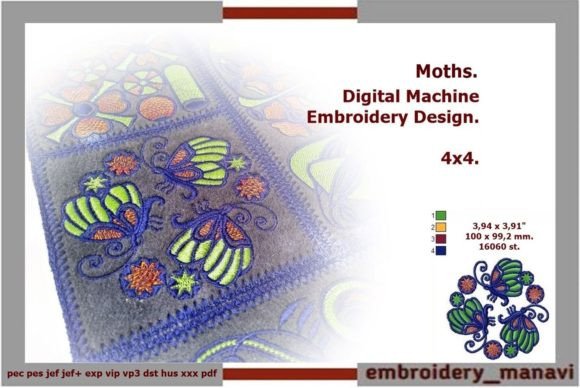
The product description highlights stylized Moths in the Art Nouveau style, intended for home decor, textiles, mug rugs, clothes, and accessories. Notably, this is an In The Hoop embroidery project. For those of us in the industry, "In The Hoop" (ITH) usually implies a finished item is created entirely within the machine, such as a zippered pouch or a key fob. However, the mention of decorating clothes and accessories suggests these motifs might also be used as standalone appliques or patches. Let’s break down how Moths performs in a real-world commercial context.
First Impressions: Elegance Meets Nature
The immediate visual impact of the Moths collection is one of refined elegance. The Art Nouveau style is characterized by organic lines, flowing curves, and a connection to nature. This aesthetic moves away from the cartoonish or overly rustic vibes often seen in generic bug-themed embroidery. Instead, it offers a premium, decorative feel. For a boutique owner or a creative studio, this signals sophistication. It does not scream "pest control"; it whispers "natural beauty."
This distinction is crucial for brand identity. If you are running a florist shop, a botanical skincare line, or a high-end bakery, you need design assets that reflect quality. These moth designs, categorized under Bugs, manage to transcend the typical insect trope. They feel handmade yet polished, making them ideal for brands that want to convey a connection to nature without sacrificing professionalism.
Real-World Applications for Small Businesses
When I test a new digital embroidery file, I imagine it on various substrates. Here is how I see Moths working across different product lines:
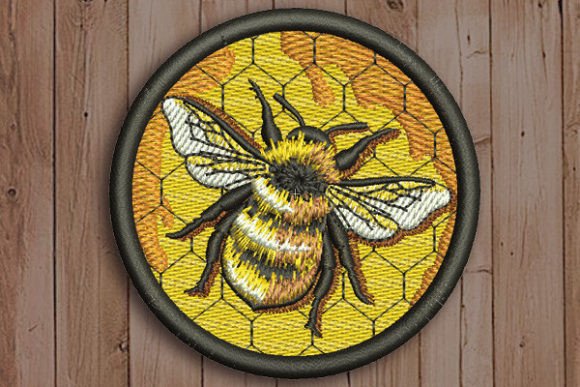
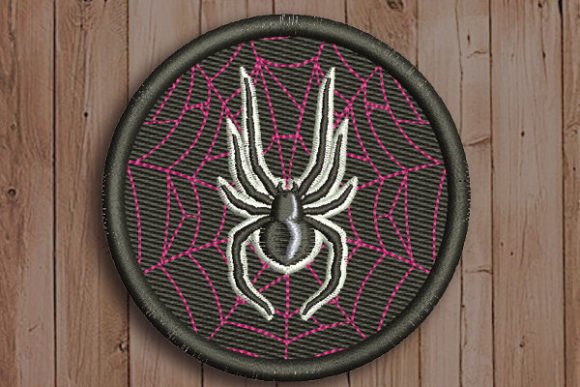
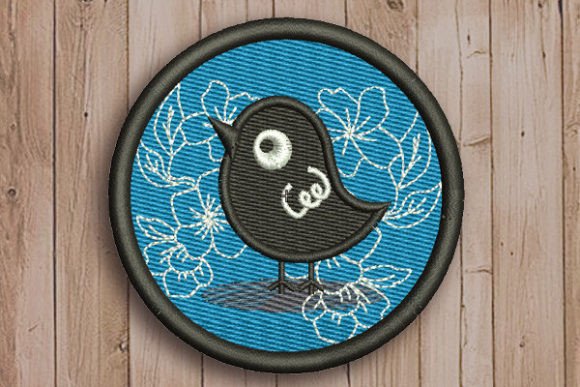
- Embroidered Patches: Because Art Nouveau relies on strong outlines and flowing shapes, these moths make excellent candidates for embroidered patches. You can sew them onto denim jackets, canvas tote bags, or even use them as unique closures for aprons. A patch allows for versatility; customers can buy the patch separately or have it pre-applied to your custom apparel.
- Apron Embroidery: For cafes and bakeries, staff uniforms are walking billboards. Placing a stylized moth on the chest pocket or the lower corner of an apron adds a subtle branding element. It is less aggressive than a large logo but creates a cohesive look when paired with other natural elements in your shop’s decor.
- Tote Bag Design: Canvas totes are a staple for Etsy sellers and retail shops. The intricate lines of the Art Nouveau style stand out beautifully against the neutral texture of canvas. Ensure you use a cut-away stabilizer to prevent puckering, especially if the design has significant stitch coverage.
- Cap Embroidery: While possible, cap fronts are tricky. The curved surface can distort detailed lines. If you choose to use Moths on hats, I recommend simplifying the color palette and ensuring the design is not too wide, so it does not wrap around the curve excessively.
Navigating Technical Challenges
While the aesthetic is strong, we must address the technical realities of commercial embroidery. Art Nouveau styles often feature fine details and varying line weights. Here is where caution is needed:
Stitch Density and Fabric Texture: If the design has high stitch density, it may become stiff, which is undesirable for lightweight fabrics like silk blouses or thin cotton tees. Always check the density settings in your software if you have the ability to edit the file. On textured fabrics, such as terry cloth towels or rough linen, fine details might get lost. In these cases, increasing the contrast between the thread colors and the fabric is essential.
Small Patch Sizes: If you plan to shrink this design for a small label or a tiny chest logo, test it rigorously. Fine outlines can merge together if scaled down too far, resulting in a blob rather than a recognizable moth. I always advise creating a printable mockup at actual size to visualize the detail retention before stitching.
In The Hoop Considerations: Since this is described as an ITH project, remember that ITH designs require precise hooping and often involve folding fabric over itself. If you are using this for a mug rug or a small accessory, ensure your hoop size matches the machine’s capabilities. Misalignment in ITH projects can ruin the symmetry, which is vital for the balanced look of Art Nouveau.
Enhancing Brand Identity and Customer Trust
Why does the choice of design matter? Because consistency builds trust. When a customer sees the same high-quality Moths motif on your packaging, your website, and your physical products, it reinforces your brand’s professionalism. It shows attention to detail. A poorly digitized or ill-fitting design can make a handmade product look amateurish. Conversely, a well-executed embroidery piece increases the perceived value of the finished product.
For Etsy sellers and crafters, offering unique, stylish designs sets you apart from competitors using clip-art-style graphics. These moths offer a narrative—they speak to transformation, night, and nature. This emotional connection can drive buyer engagement and make your merchandise more memorable.
Practical Designer Notes for Production
Before you launch a full production run using Moths, follow these steps to ensure quality:
- Test in Black and White: Stitch a sample using only black thread on white fabric. This reveals the structural integrity of the design without the distraction of color. If it looks good in monochrome, it will look great in color.
- Check Thread Color Contrast: Art Nouveau thrives on subtle shading or bold contrasts. Choose thread colors that complement your brand palette but still stand out against the fabric. Metallic threads can add a luxurious touch to moth wings, enhancing the premium feel.
- Use Proper Stabilizer: For stretchy fabrics like jersey tees, use a tear-away backer with a top stabilizer to prevent distortion. For woven fabrics like canvas or denim, a cut-away stabilizer provides long-term durability, which is crucial for items that will be washed frequently.
- Verify Licensing: The description mentions these are for home decor and accessories, but always confirm the commercial license terms. Ensure you have the right to use the design assets for selling physical goods. Never assume; always read the license file included with your download.
- Create Client Mockups: If you are doing custom work for a client, show them a digital mockup of the moth on their specific garment. This manages expectations and allows for adjustments before you waste thread and time.
In conclusion, Moths is a versatile and stylish addition to any embroidery designer’s library. It bridges the gap between decorative home decor and functional branded merchandise. By understanding its technical requirements and leveraging its aesthetic strengths, you can create stunning embroidered patch collections, unique apparel, and memorable brand touches. Whether you are digitizing for a local boutique or expanding your own Etsy shop, this Art Nouveau-inspired Embroidery design offers the elegance and professionalism that modern consumers crave. Just remember to test, stabilize, and verify your specs, and you will be ready to produce high-quality, sellable goods.