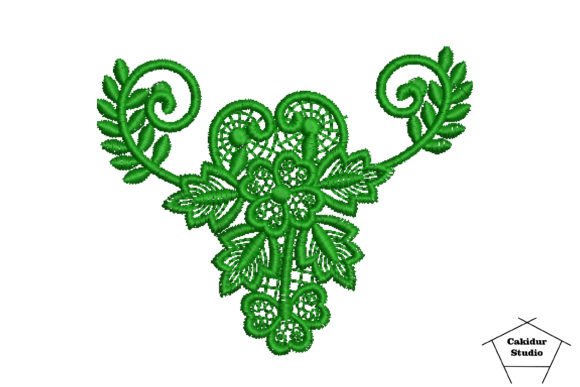
Flying Flowers: A Designer’s Review for Craft Fair Success
As an embroidery designer who has spent countless weekends setting up booths and managing online shops, I know that not every design translates equally well from screen to sales. When I first loaded the Flying Flowers machine embroidery design into my software, my immediate goal was to determine its viability for a high-traffic craft fair environment. The product description promises an "adorable accent" and a "pretty floral border" that gives fabrics an "extraordinary look." But does it hold up under the scrutiny of a busy marketplace? After testing this Outline Flowers style piece on various textiles, I am ready to share my professional assessment for fellow Etsy sellers, boutique makers, and creative entrepreneurs.
First Impressions: Whimsical Movement Meets Clean Lines
The name Flying Flowers suggests motion, lightness, and perhaps a touch of whimsy. Upon reviewing the digitizing, the design delivers on this promise with a sense of airy elegance. It does not feel heavy or overly rustic; instead, it strikes a balance between modern minimalism and traditional floral charm. For a craft fair seller, this is crucial. You need designs that catch the eye from three feet away but also invite closer inspection. This design feels decorative yet approachable, making it suitable for a wide demographic, from young adults looking for trendy tote bag designs to older customers seeking refined home decor accents.
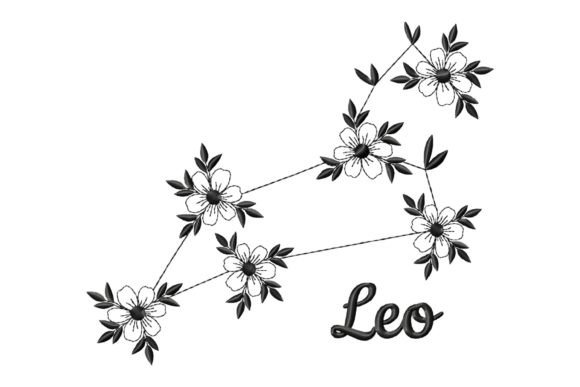
Because it falls under the category of Outline Flowers, the stitch work relies on clean lines rather than dense satin fills. This aesthetic choice is significant for production speed and fabric compatibility. It avoids the "cardboard effect" that can plague heavily stitched designs on lightweight materials, ensuring the finished product remains soft and drapable.
Product Versatility: Where Flying Flowers Shines
To truly evaluate a digital embroidery file, you must visualize it across multiple product types. Here is how Flying Flowers performs on common handmade items:
- Tote Bags and Market Bags: This is arguably the strongest application. The floral border layout works beautifully along the bottom hem or side seam of a canvas tote. It transforms a plain utility item into a stylish accessory. The open nature of the outline stitches ensures the bag remains flexible and easy to fold, a key selling point for eco-conscious shoppers.
- Aprons and Tea Towels: For kitchen textiles, this design adds a touch of sophistication without overwhelming the fabric. On a linen apron, it acts as a delicate trim. However, when considering tea towel embroidery, one must be mindful of the fabric texture. Terry cloth can obscure fine details, so this design is best suited for flat-woven cotton or linen towels where the crisp lines of the Outline Flowers can be fully appreciated.
- Caps and Curved Surfaces: Applying a border design to a curved cap surface requires careful hooping. While possible, the "flying" aspect of the flowers might lose its linear grace if distorted by the curve. I recommend using this on the back panel of a cap rather than the front crown, or sticking to flat goods like patches for better structural integrity.
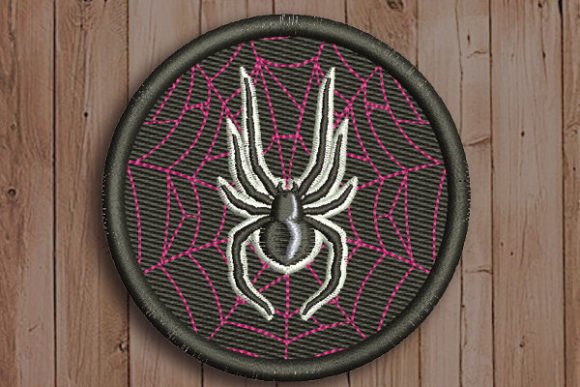
- Embroidered Patches: If you plan to create an embroidered patch, ensure the design is scaled correctly. Since it is an outline style, it may require a tight border or backing to prevent fraying edges if cut as a standalone patch. It works better as an appliqué base or directly stitched onto a garment.
Production Practicality for Small Shop Owners
For those of us running small shop products, time is money. One of the greatest advantages of Flying Flowers is its likely efficiency. Outline designs generally have lower stitch density compared to filled motifs. This means faster run times on your machine, allowing for higher batch production before a weekend market. It also reduces thread consumption, improving your profit margins on each handmade product.
Photography is another critical factor for the Etsy seller. This design photographs exceptionally well because the contrast between the thread and fabric is usually sharp. Whether you are creating a printable mockup for your digital listings or shooting real-life images, the clear lines define the shape effectively even in softer lighting. This visual clarity helps buyers understand exactly what they are purchasing, reducing hesitation and potential returns.
Careful-Use Notes and Technical Considerations
While the design is versatile, there are technical constraints to consider before launching your commercial embroidery campaign:
- Fabric Texture and Density: Avoid using this on highly textured fabrics like thick wool or looped terry if the design includes very fine details. The texture can swallow the thin outline stitches, making the design look messy or incomplete from a distance.
- Dark Fabric Contrast: Since this is an outline design, thread color selection is paramount. On dark fabrics, ensure you use high-contrast thread colors. Pastel threads on navy or black fabric will vanish. Always test your thread colors against your specific fabric stock.
- Stabilizer Selection: Even with lower stitch density, proper stabilization is non-negotiable. Use a cut-away stabilizer for garments that will be washed frequently, such as aprons and tote bags, to prevent puckering over time. For stable woven fabrics like pillow covers, a tear-away may suffice, but test first.
- Scaling Limits: Do not shrink this design too small. Outline flowers rely on spacing and line weight. If reduced beyond a certain point, the gaps between petals may close up, or the lines may become too fragile to stitch cleanly. Check the minimum recommended size in your design assets.
Enhancing Brand Consistency and Buyer Engagement
In a crowded craft fair booth, consistency builds trust. Flying Flowers offers a cohesive look that can be repeated across a product line. Imagine a display featuring a tote bag, a matching pouch, and a set of napkins, all featuring the same floral border. This repetition creates a strong visual identity for your brand. It signals to the buyer that you are a professional designer who pays attention to detail.
Furthermore, the "adorable" yet "extraordinary" nature of the design encourages engagement. Customers are more likely to pick up an item that feels special but not ostentatious. It serves as a conversation starter, allowing you to explain the quality of your machine embroidery design and the care taken in selecting the perfect hoop size and stabilizer for each piece.
Final Designer Recommendations
Before you commit to producing a full inventory of Flying Flowers items, follow these essential steps:
- Test on Scrap Fabric: Always run a test stitch-out on the exact fabric you intend to sell. Check for puckering, thread breaks, or registration issues.
- Verify Commercial Licensing: Ensure your purchase of the digital embroidery file includes the right to sell finished products. Most designers allow this, but always confirm the terms to protect your business.
- Create Real Mockups: While digital mockups are useful for planning, nothing replaces seeing the thread on the actual material. Create at least one physical sample to assess the hand-feel and drape.
- Check File Formats: Confirm that the download includes the format compatible with your specific machine (e.g., PES, DST, JEF). The description mentions "multiple em," which likely refers to multiple formats or sizes, but verify this before production begins.
In conclusion, Flying Flowers is a strong contender for your next craft fair collection. Its blend of whimsical movement and clean outline execution makes it adaptable for tote bags, aprons, and home decor. By paying attention to fabric choice, stabilizer support, and thread contrast, you can leverage this design to create high-value, eye-catching handmade products that resonate with buyers looking for quality and charm.