Fall Vibes Embroidery Review for Business Merch
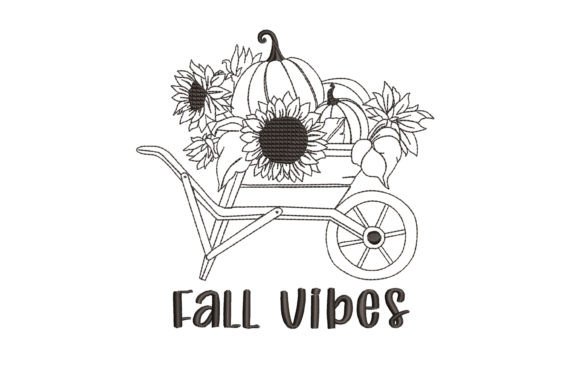
As an embroidery designer who has spent years digitizing and testing files for commercial use, I approach every new machine embroidery design with a critical eye. It is not just about whether the art looks pretty on a screen; it is about how it performs under the needle, how it holds up after washing, and most importantly, how it serves the brand identity of the small business owner purchasing it. Recently, I took a close look at Fall Vibes, a seasonal design marketed for its versatility across home decor and apparel. For shop owners preparing their autumn inventory, this review breaks down whether this file is ready for your next production run.
First Impressions: Visual Personality and Brand Fit
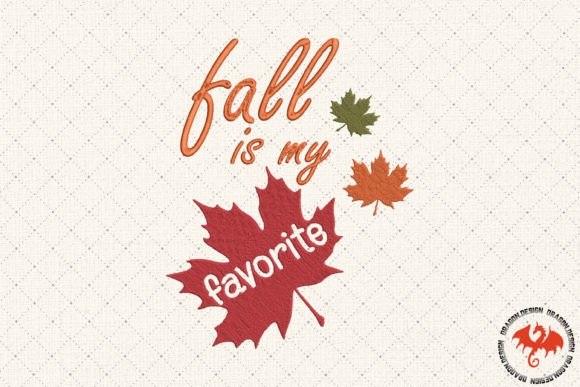
The title Fall Vibes suggests a specific aesthetic: warm, inviting, and perhaps a bit rustic or cozy. In the world of Autumn marketing, customers are looking for feelings of comfort and nostalgia. When evaluating this design, the first question is whether the visual weight matches that promise. A successful seasonal design must balance decorative flair with professional clarity. If the lines are too thin, they get lost on textured fabrics. If they are too dense, the fabric puckers.
For boutique owners and Etsy sellers, the "vibe" is half the sale. This design appears to target a broad audience, from home decorators to fashion retailers. The key here is versatility. A design that works on a bedsheets might not automatically work on a structured cap. However, the description claims it stitches perfectly on anything, which is a bold claim that requires careful testing. From a branding perspective, if your shop leans into handmade, organic, or cozy aesthetics, this type of Embroidery asset can significantly enhance your visual consistency.
Real-World Applications for Small Business Merch
Let’s move beyond theory and discuss where Fall Vibes actually shines in a commercial setting. Small business owners need assets that pull double duty. Here is how I envision this design performing across different product lines:
- Branded Patches: This is arguably the strongest use case. An embroidered patch allows you to create removable branding for jackets, backpacks, or tote bags. If the design has clean borders, it can be cut as a merrowed edge patch, adding high perceived value to small business merch.
- Café and Bakery Aprons: Staff uniforms are walking billboards. An apron embroidery featuring this design on the chest pocket or lower corner adds a touch of seasonal warmth without overwhelming the uniform. It signals to customers that the business is current and attentive to detail.
- Tote Bags and Canvas Goods: Tote bags are staple items for craft fairs. A tote bag design needs to be bold enough to be seen from a distance. If Fall Vibes has sufficient scale, it becomes a statement piece that customers are proud to carry, extending your brand reach.
- Cap Embroidery: Front-panel cap designs require simplicity. If this design can be scaled down without losing definition, it works well for cap embroidery. However, curved surfaces distort complex images, so simpler elements of the design should be prioritized here.
Technical Considerations and Stitch Performance
While the marketing copy promises perfection on any material, experienced digitizers know that context is everything. Before running a full batch of custom apparel, you must evaluate the technical specs. Since the provided description does not list exact stitch counts or recommended hoop sizes, you must check these details in the actual digital embroidery file before production.
Stitch density is the primary concern. High-density designs look lush but can cause puckering on lightweight fabrics like t-shirts or silk blends. Conversely, low-density designs may show the fabric background through the stitches, which can look amateurish on dark uniforms. I recommend testing Fall Vibes on the specific fabric types you intend to sell. If you are stitching on thick towels or denim for home decor, the design likely holds up well. For thinner materials, you will need to adjust your tension and possibly use a lighter fill.
Another critical factor is stabilizer selection. No matter how good the design is, improper stabilization will ruin the finished product. For stretchy knits, use a cut-away stabilizer. For woven caps or bags, a tear-away might suffice, but always test first. The interaction between the thread, the fabric, and the stabilizer determines the professional quality of the output.
Strategic Placement and Design Limitations
Not every location on a garment is suitable for every design. When using Fall Vibes for commercial embroidery projects, consider these constraints:
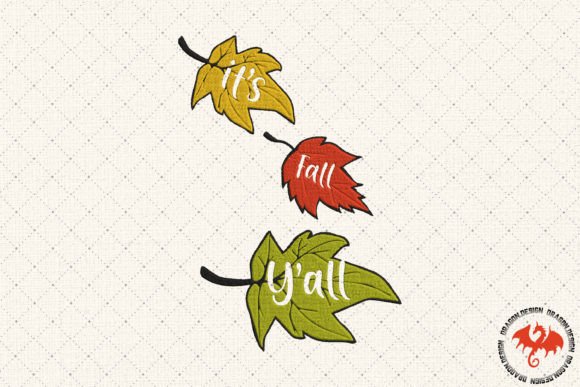
- Small Patch Sizes: If you shrink the design too much, fine details will merge. Intricate leaves or small text elements may become unreadable blobs. Always check the minimum viable size by stitching a test sample.
- Curved Surfaces: As mentioned with caps, curvature distorts the image. Avoid placing wide, horizontal elements of the design on the side panels of hats or curved sleeves unless the digitization accounts for push-and-pull distortion.
- Dark Uniforms: Thread color contrast is vital. If your design relies on subtle shading, it may vanish on black or navy staff shirts. Ensure you have a version of the file optimized for high-contrast thread colors.
- Frequent Washing: Items like aprons and tote bags undergo heavy wear. Check the satin stitch width. Narrow satin stitches snag and break easily. Wider stitches are more durable for items that will be laundered repeatedly.
Enhancing Brand Identity and Customer Trust
Why does the choice of design matter for your bottom line? Because consistent, high-quality visuals build trust. When a customer receives a handmade product with crisp, well-executed embroidery, they perceive higher value. Fall Vibes can serve as a seasonal anchor for your brand identity. It shows that your business is active, engaged, and responsive to trends.
Using this design in customer gifts or event merch creates an emotional connection. A small embroidered accent on a packaging tag or a thank-you note elevates the unboxing experience. It transforms a simple transaction into a memorable interaction. For online sellers, having high-quality printable mockup images of this design on various products can boost click-through rates. Visual consistency across your design assets reinforces professionalism.
Designer Notes for Production Success
Before you commit to a large order, follow this checklist to ensure Fall Vibes meets your standards:
- Test in Black and White: Convert the design to monochrome in your software to check for spacing issues. If you can distinguish the elements without color, the digitization is solid.
- Verify Commercial Licensing: Always confirm the license terms included with the embroidery file. Ensure you have the right to use it for physical goods sold for profit.
- Create Client Mockups: If you are doing work for clients, place the design on a digital mockup of their specific product. This manages expectations and allows for approval before stitching.
- Check Thread Colors: Match the design’s palette to your existing brand colors. Customizing the thread chart ensures the final product aligns with your overall aesthetic.
- Inspect Hoop Size Requirements: Ensure the design fits within your standard hoops to avoid re-hooping, which slows down production.
In conclusion, Fall Vibes offers potential for diverse applications, from cozy home goods to stylish apparel. However, its success depends on your technical execution and strategic placement. By treating this machine embroidery design as a flexible business asset rather than just decoration, you can maximize its ROI. Test thoroughly, respect the material constraints, and let the quality of your stitching speak for your brand. When done right, seasonal designs like this do not just decorate a product; they define the customer’s experience of your business.