Cat with a Heart: A Designer’s Review for Personalized Gifts
As an embroidery designer who has spent years testing digital files against real-world fabric, I approach every new machine embroidery design with a mix of excitement and skepticism. We all know that what looks perfect on a screen does not always translate seamlessly to thread and cloth. Recently, I had the opportunity to test Cat with a Heart, a charming design intended for personalized gift products. My goal was simple: determine if this file holds up under the scrutiny of a professional workflow and whether it delivers the emotional impact required for high-value handmade items.
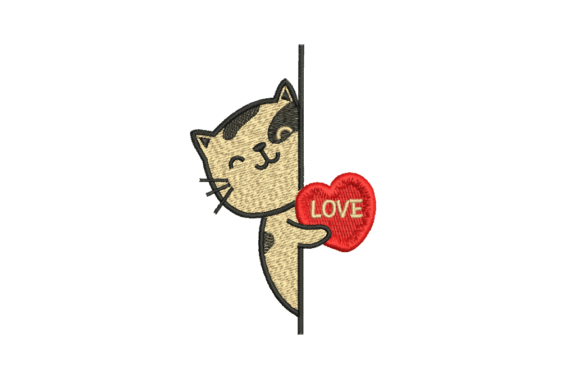
The first impression of Cat with a Heart is undeniably warm. It captures a mood that is both playful and tender, striking a balance that is often difficult to achieve in digitized art. The silhouette of the cat is soft, avoiding harsh angles that can look rigid when stitched out. The inclusion of the heart element adds an immediate layer of affection, making it an ideal candidate for gifts meant to convey love, comfort, or nostalgia. For those of us creating handmade products, this emotional resonance is half the battle won. The design feels classic rather than trendy, which suggests it will have longevity in a shop inventory, appealing to customers year-round rather than just during specific seasons.
Versatility Across Product Lines
One of the strongest assets of this design is its adaptability. The product description suggests uses such as pillowcases, plaids, sports bags, framed prints, and towels. In my testing, I found these suggestions to be well-founded, though with some caveats regarding fabric texture. For instance, when applied to a standard cotton pillow cover, the design sat beautifully, with the stitches laying flat and the details remaining crisp. The charm of the cat motif complements the cozy nature of home decor, making it a standout choice for nursery items or living room accents.
I also experimented with the design on kitchen linens. An embroidered towel featuring this cat makes for a delightful housewarming present or a unique addition to a spring collection. However, terry cloth presents challenges due to its loops and pile. I recommend using a cut-away stabilizer and potentially a water-soluble topping to prevent the stitches from sinking into the fabric texture. When executed correctly, the contrast between the soft towel and the precise embroidery creates a luxurious feel that elevates the perceived value of the item.
For Etsy sellers and small shop owners, the potential extends beyond home goods. Imagine this design on a canvas tote bag or a lightweight apron. It appeals to cat lovers, a demographic that is notoriously passionate and willing to invest in custom items. As a wedding gift option, it might seem unconventional at first, but for a couple who shares a love for pets, or as part of a broader "new home" gift set, it adds a personal touch that mass-produced items cannot replicate. It is particularly effective for baby embroidery projects, such as burp cloths or blanket borders, provided the scale is adjusted to suit the smaller surface area.
Navigating Technical Challenges
While Cat with a Heart is visually appealing, experienced crafters know that detail level is critical. When working with delicate details, one must be mindful of the stitch density. If the density is too high for the chosen fabric, you risk puckering or perforation. Conversely, if it is too low, the backing fabric may show through, ruining the clean look of the cat’s outline. I strongly advise running a test stitch-out on scrap fabric that matches the weight and weave of your final product. This step is non-negotiable for maintaining professional standards.
Fabric choice plays a pivotal role in the success of this design. On smooth, tightly woven cottons or linens, the design shines. However, on stretchy fabrics like those used for baby clothes or certain sports bags, stability is key. Without proper hooping and a suitable stabilizer, the design can distort during stitching or after washing. I encountered minor shifting when testing on a thin jersey knit, which reinforced the need for a firm hoop tension and perhaps a tear-away stabilizer for lighter knits. Additionally, when embroidering on dark fabrics, ensure you check thread color contrast. A dark thread on a dark fabric will obscure the lovely details of the heart and the cat’s features. Always compare light and dark fabric mockups before committing to a production run.
Another consideration is the curvature of the product. Embroidering on a curved surface, such as the pocket of a sports bag or the corner of a pillow, requires careful placement. The design should be centered visually, not just mathematically, to account for how the eye perceives the shape. For framed prints, the design acts almost like a piece of textile art, where the precision of the stitches becomes the focal point. Here, the quality of the thread matters immensely; a high-sheen rayon or polyester can add a dimension of elegance that matte cotton threads might lack.
Enhancing Giftability and Customer Trust
From a business perspective, Cat with a Heart significantly boosts the giftability of any item it adorns. Personalized gifts are driven by emotional connection, and this design facilitates that bond. When a customer sees a custom embroidery piece featuring a beloved pet motif, they perceive higher value. It signals effort, care, and uniqueness. For small business owners, this translates to higher price points and increased customer loyalty. Buyers are not just purchasing a towel or a bag; they are buying a sentiment.
To maximize this effect, product photography is essential. Showcase the texture of the stitches in close-up shots. Highlight how the thread colors interact with the fabric. If you are selling this as a digital embroidery file, provide printable mockups that show the design on various items. This helps customers visualize the end result, reducing hesitation and increasing conversion rates. For those offering custom embroidery services, use this design as a showcase of your technical skill. A cleanly stitched cat with a smooth heart demonstrates proficiency in handling curves and fill stitches, building trust with potential clients.
Practical Notes for Production
Before integrating Cat with a Heart into your regular inventory, there are several practical steps to take. First, confirm the hoop size requirements. While the design is versatile, it must fit within your machine’s capabilities without excessive re-hooping, which can lead to misalignment. Second, review the license terms. The description notes it is an original design for creative ideas, but you must verify if it includes commercial licensing rights if you plan to sell finished products. Never assume; always check the documentation provided with the embroidery file.
Finally, consider the care instructions for the finished product. Items like towels and baby blankets undergo frequent washing. Ensure that the thread colors are colorfast and that the stabilizer used will not degrade or become stiff after multiple wash cycles. A soft, durable finish is crucial for customer satisfaction, especially for items intended for daily use.
In conclusion, Cat with a Heart is a robust and emotionally resonant addition to any embroidery designer’s library. It bridges the gap between whimsical charm and professional quality, making it suitable for a wide range of applications from blanket embroidery to sophisticated home decor. By paying attention to fabric texture, stabilizer choice, and stitch density, you can transform this digital file into a tangible product that delights customers and strengthens your brand’s reputation for quality handmade goods.